
Mastering Table Tennis Fundamentals
Learn essential table tennis techniques including grip, stance, and basic stroke mechanics that form the foundation for competitive play.
Read ArticleUnderstanding game strategy, opponent analysis, and tactical adjustments represents a cornerstone of competitive racquet sports success. This comprehensive guide explores the methodology behind analyzing match performance and developing effective tactical frameworks.
Match analysis forms the foundation of tactical development in racquet sports. This systematic approach to examining game performance involves collecting data, identifying patterns, and extracting actionable insights about both personal performance and opponent tendencies.
The analysis process encompasses several key dimensions: shot selection patterns, movement efficiency, positioning strategies, and decision-making under pressure. By studying these elements, athletes and coaches develop a comprehensive understanding of what occurs during competition and how adjustments can improve outcomes.
Effective match analysis begins with clear observation. Whether through video review, statistical tracking, or performance metrics, the goal remains consistent: to identify patterns that explain results and inform future strategy. This evidence-based approach differs from relying solely on intuition or memory of events.


Understanding opponent tendencies represents a critical element of tactical preparation. Comprehensive opponent analysis examines playing style, strengths, weaknesses, and patterns that emerge across multiple matches. This information allows athletes to develop strategies that maximize their own strengths while neutralizing opponent advantages.
Systematic opponent analysis involves several research methods. Video review of previous matches provides detailed information about shot selection, movement patterns, and decision-making under different circumstances. Statistical analysis reveals frequency distributions—which shots opponents employ most often, from which court positions, and with what success rates.
Pattern recognition during opponent analysis often reveals consistent behaviors. Some athletes demonstrate predictable shot selection from certain positions. Others show particular tendencies when facing pressure or during specific phases of matches. Identifying these patterns provides tactical advantages.
Service Patterns: How does the opponent position themselves? What serve variations do they employ? Which serves create the most difficulty?
Rally Tactics: Do they attack early or build gradually? What shot combinations appear frequently? Which positions do they prefer?
Pressure Response: How does performance change during critical points? Do specific situations cause adjustments to their strategy?
Strengths and Limitations: Which shots are most reliable? Where do they struggle? Which positions expose vulnerabilities?
The content presented in this article provides educational information about match analysis and tactical development in racquet sports. This material is intended for informational purposes to support understanding of general coaching and training concepts.
Individual performance improvement depends on many factors including personal skill level, physical conditioning, training intensity, and coaching quality. Results vary based on individual circumstances and dedication to training. This content does not constitute professional coaching advice, and all training should be conducted under appropriate supervision by qualified professionals.
The transition from analysis to tactical application requires a structured approach. Match analysis provides information; tactical development converts that information into actionable strategy. This process involves identifying specific adjustments that address match circumstances and opponent characteristics.
Effective tactical adjustments emerge from clear cause-and-effect analysis. Rather than making random changes, successful adjustments address specific performance gaps or exploit identified opponent weaknesses. For example, if analysis reveals that an opponent struggles with short-distance shots, tactical adjustments might emphasize drop shots and net-based positioning.
Tactical flexibility proves essential. While consistent strategy provides a foundation, the ability to adjust during matches based on real-time performance creates advantages. Athletes who can recognize when current tactics prove ineffective and implement alternatives often achieve better outcomes than those rigidly adhering to pre-match plans.
The relationship between analysis and tactical development remains iterative. Initial tactical adjustments produce new performance data. Continued analysis of results from adjusted tactics reveals further refinement opportunities. This continuous improvement cycle characterizes competitive excellence in racquet sports.
Modern racquet sports increasingly employ quantitative analysis methods. Statistical approaches to performance assessment provide objective data about outcomes and patterns. These metrics complement subjective observation, creating comprehensive performance understanding.
Common performance metrics include first-serve percentage, break point conversion rates, winner-to-unforced error ratios, and net approach success frequencies. These numbers reveal patterns invisible through casual observation. An athlete might perceive their service as strong, while metrics reveal actually inconsistent placement or conversion rates.
Video analysis technology enables detailed examination of movement, timing, and technique. Frame-by-frame analysis reveals subtle adjustments in positioning or stroke mechanics that correlate with performance changes. This granular information supports technical refinement alongside tactical development.
Winner frequency, aggressive shot success rates, break point conversions
Rally participation rates, defensive shot success, recovery positioning
Unforced error rates, first-serve percentage, consistency across sets
Performance under pressure, responses to specific opponents, adaptation rates
The integration of quantitative metrics with qualitative observation creates comprehensive analysis. Numbers provide precision; observation provides context. Together, they support informed tactical decisions that improve competitive performance.
Match analysis and tactical development represent essential competencies in competitive racquet sports. The systematic examination of performance data, combined with strategic application of insights, creates the foundation for improvement. Athletes who invest in understanding their own performance and opponent characteristics develop advantages that extend beyond physical skill.
The most successful athletes and coaches recognize that tactical excellence emerges from continuous learning. Each match provides data. Each analysis session reveals patterns. Each tactical adjustment tests hypotheses about what works in competition. This iterative approach—analyze, adjust, test, learn—characterizes sustained competitive improvement.
Whether pursuing excellence in table tennis, badminton, tennis, or other racquet sports, the principles remain consistent: understand your performance, understand your opponents, and adjust strategically based on evidence. This evidence-based approach to tactical development transcends specific sports or competitive levels, applying equally to emerging athletes and established competitors.
Learn essential table tennis techniques including grip, stance, and basic stroke mechanics that form the foundation for competitive play.
Read Article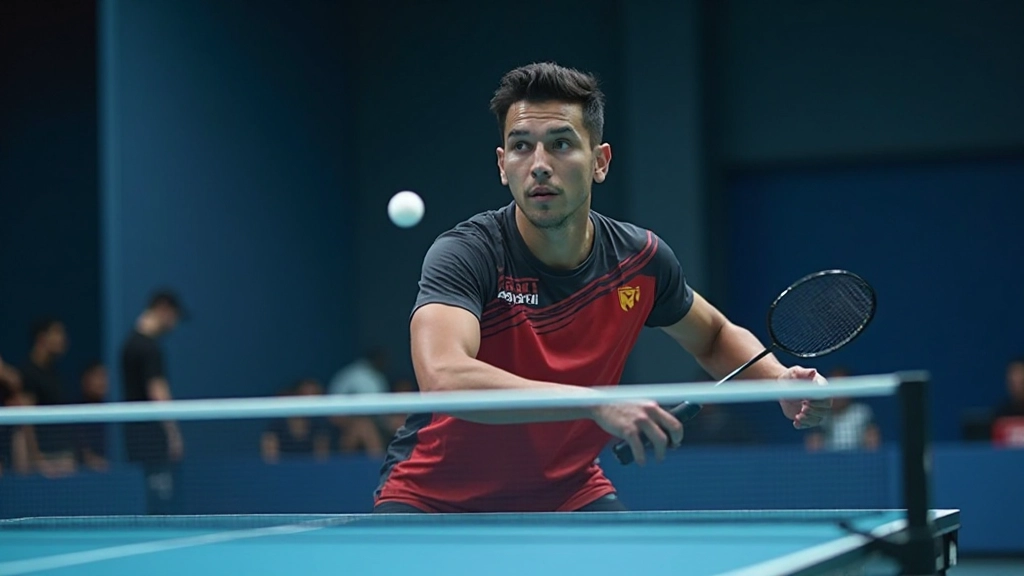
Explore effective badminton training methods, net positioning strategies, and tactical approaches for competitive match success.
Read Article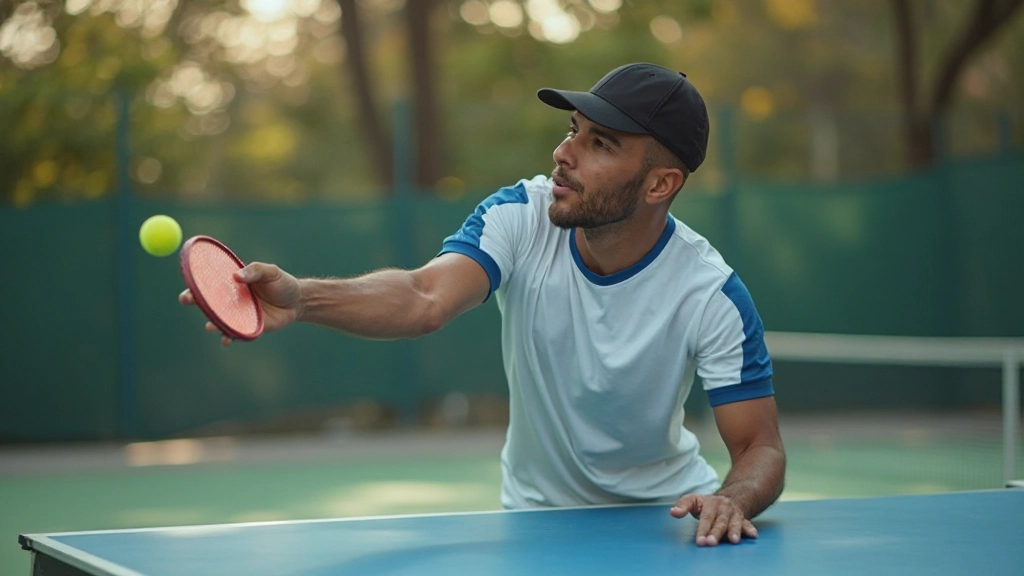
Discover training methods to develop powerful and consistent serving techniques that create competitive advantages in tennis.
Read Article