Developing Advanced Tennis Serving Skills
Discover comprehensive training methods and techniques to develop powerful, consistent, and strategically effective tennis serves that provide competitive advantage on the court.
Understanding Tennis Serving Fundamentals
The tennis serve is one of the most important shots in the sport, serving as the foundation for competitive play. A well-developed serve provides players with opportunities to dictate points, establish dominance, and maintain consistency throughout matches. Understanding the biomechanics and fundamental principles of serving is essential for any player seeking to improve their performance.
The serve involves a complex sequence of movements that must work together harmoniously. From the grip and stance to the toss and follow-through, each element contributes to the overall effectiveness of the shot. Professional players spend countless hours refining these fundamentals to ensure reliability under pressure. The integration of proper technique, timing, and coordination creates the foundation for developing more advanced serving capabilities.
Consistency in serving fundamentals allows players to build confidence and reduce unforced errors. When basic mechanics are mastered, players can focus on tactical variations and placement strategies rather than worrying about technical execution. This progression from fundamental competence to advanced application is crucial for long-term development in competitive tennis.

Technique Development for Power and Control
Developing an advanced serve requires systematic work on specific technical elements that contribute to both power generation and accuracy. Modern tennis serves combine explosive lower body movement, controlled upper body rotation, and precise arm mechanics to create effective shots. Players must understand how each component of the serving motion contributes to the overall result.
The kinetic chain in serving represents a sequence of movements beginning from the ground and progressing through the legs, core, shoulders, and arms. Proper execution of this sequence allows energy generated in the lower body to transfer efficiently through the upper body, resulting in greater racket head speed and shot effectiveness. Many players develop inconsistent serves due to breakdowns in this chain, where energy is lost or poorly transferred.
Lower Body Engagement
The foundation of power comes from the legs and core. Proper stance positioning, weight transfer, and explosive leg drive generate the initial energy for the serve motion.
Shoulder and Core Rotation
Controlled rotation through the torso creates separation between the upper and lower body, storing elastic energy that releases through the serving motion for increased power.
Arm and Racket Mechanics
Efficient arm acceleration and proper racket angle at contact determine shot placement, spin characteristics, and overall control of the serve.
Pronation and Follow-Through
The finishing movement of the serve, including proper pronation and follow-through, completes the kinetic chain and allows for directional control and consistency.
Structured Training Programs and Drills
Effective serve development requires structured training approaches that systematically build skills from basic mechanics to advanced variations. Training programs should include technical drills, conditioning work, and match-situation practice to develop both the physical and mental aspects of serving under pressure.
Quality training combines repetition with purposeful variation. Players benefit from extended practice sessions that build muscle memory and consistency, as well as shorter, focused drills that address specific technical issues or tactical objectives. The combination of volume and specificity in training produces the best results for serve development.
Technical Mechanics Work
Focus on individual components of the serving motion in isolation and integration.
- Stance and grip positioning
- Toss consistency drills
- Leg drive exercises
- Arm acceleration development
- Contact point refinement
Serve Variations Training
Develop proficiency with different serve types for tactical flexibility.
- First serve power development
- Second serve consistency
- Slice serve placement
- Kick serve height variation
- Flat serve accuracy
Conditioning and Strength
Build the physical foundation required for powerful, consistent serving.
- Core stability exercises
- Lower body power development
- Shoulder and rotator cuff work
- Flexibility and mobility training
- Sport-specific conditioning
Match Preparation Drills
Practice serving under conditions that simulate competitive play.
- Serve and volley patterns
- High-pressure situation practice
- Deuce and ad court specificity
- Serve hold simulations
- Tiebreak serve scenarios
Advanced Serving Strategies and Tactics
Beyond technical execution, strategic implementation of serving skills determines success in competitive situations. Advanced players understand how to use different serves tactically, adapting their approach based on opponent characteristics, match situations, and court conditions. This strategic dimension elevates serving from a mechanical skill to a tactical weapon.
Effective serve strategy considers multiple factors including opponent weaknesses, match score situations, and court surface. Players must develop the ability to execute various serves with precision while understanding when each variation is most effective. The integration of technical capability with tactical awareness creates truly advanced serving abilities that provide significant competitive advantages.
Placement Variation and Court Positioning
Advanced players use varied placement on the court to prevent opponents from establishing predictable return patterns. Serving to different areas forces opponents to adjust positioning and reduces their ability to prepare aggressive returns. Strategic placement considers the opponent's movement patterns, return preferences, and court positioning.
Spin and Speed Combinations
Mixing flat, slice, and kick serves with varying speeds creates unpredictability that makes it difficult for opponents to time returns effectively. Understanding how spin affects ball trajectory and bounce characteristics allows players to set up points strategically, following serves with specific patterns that exploit opponent weaknesses.
Point Construction Through Serving
Advanced players use their serve to dictate the rally structure. An effective serve can force weak returns, allowing the server to take offensive positions early in points. This serve-and-attack approach puts pressure on opponents and provides opportunities to finish points at the net or from advanced court positions.
Pressure Situations and Match Management
Competitive serving requires mental resilience and consistency during high-pressure moments. Developing reliable serving patterns that work under pressure is essential for winning close matches. Players must maintain technical consistency while managing the mental and emotional demands of critical serving situations.
Informational Disclaimer
This content is provided for educational and informational purposes only. The information presented represents general concepts regarding tennis serving techniques and training approaches. Individual results and improvements depend on numerous factors including personal fitness level, prior experience, coaching quality, and dedication to training. Different players may experience varying rates of progress and outcomes based on their unique circumstances. Readers should consult with qualified tennis coaches and fitness professionals before beginning new training programs or significantly modifying their current approach to ensure appropriateness for their individual situation.
Key Takeaways for Serve Development
Developing advanced tennis serving skills requires a comprehensive approach that integrates technical fundamentals, systematic training, physical conditioning, and tactical awareness. Success in competitive tennis increasingly depends on effective serving, making serve development a priority for serious players.
The journey toward advanced serving involves consistent practice, proper instruction, and dedication to continuous improvement. Players who commit to systematic development of serving skills gain significant competitive advantages while building confidence that extends throughout their game. Whether pursuing recreational enjoyment or competitive goals, investing in serve development provides returns that enhance overall tennis performance and enjoyment of the sport.
Mastering serve fundamentals provides the foundation for all advanced development
Structured training programs systematically build capability and consistency
Strategic implementation of serving skills creates competitive advantages
Related Articles

Mastering Table Tennis Fundamentals
Learn essential table tennis techniques including grip, stance, and basic stroke mechanics that form the foundation for competitive play.
Read More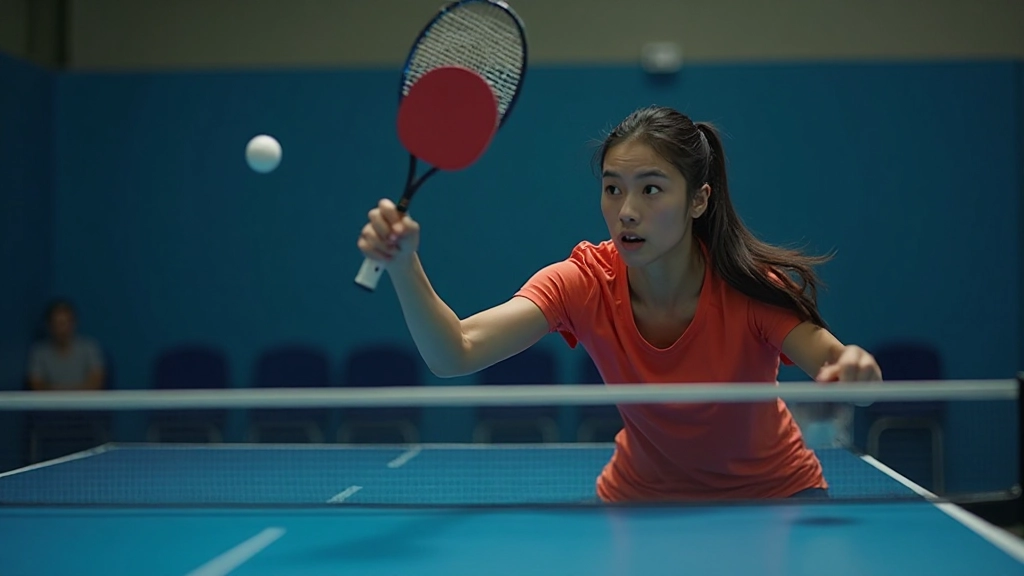
Badminton Training Techniques and Strategies
Explore effective badminton training methods, net positioning, and tactical approaches for improving competitive performance.
Read More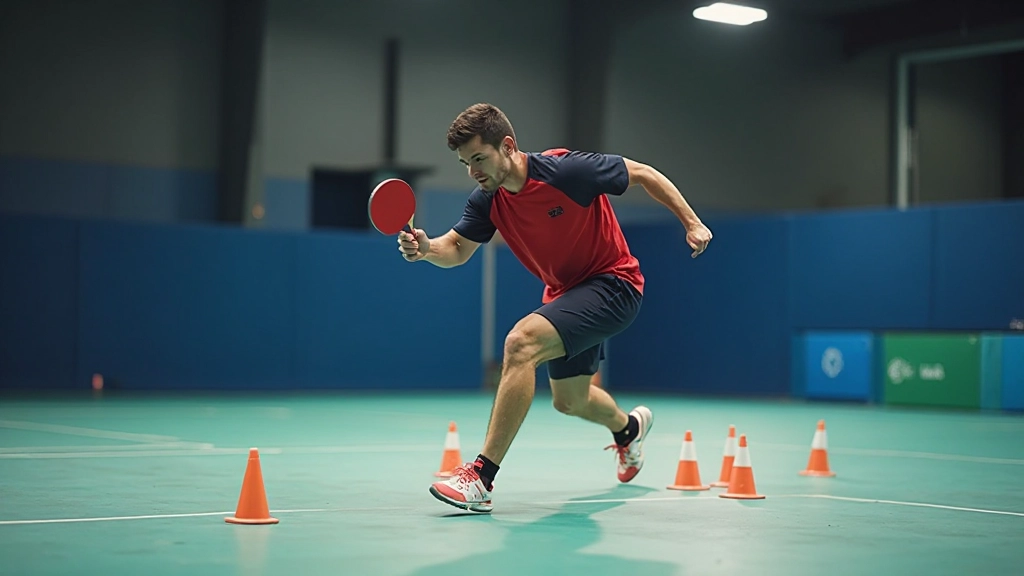
Building Agility and Court Movement
Training programs focused on improving footwork, speed, and movement efficiency for enhanced court presence.
Read More